
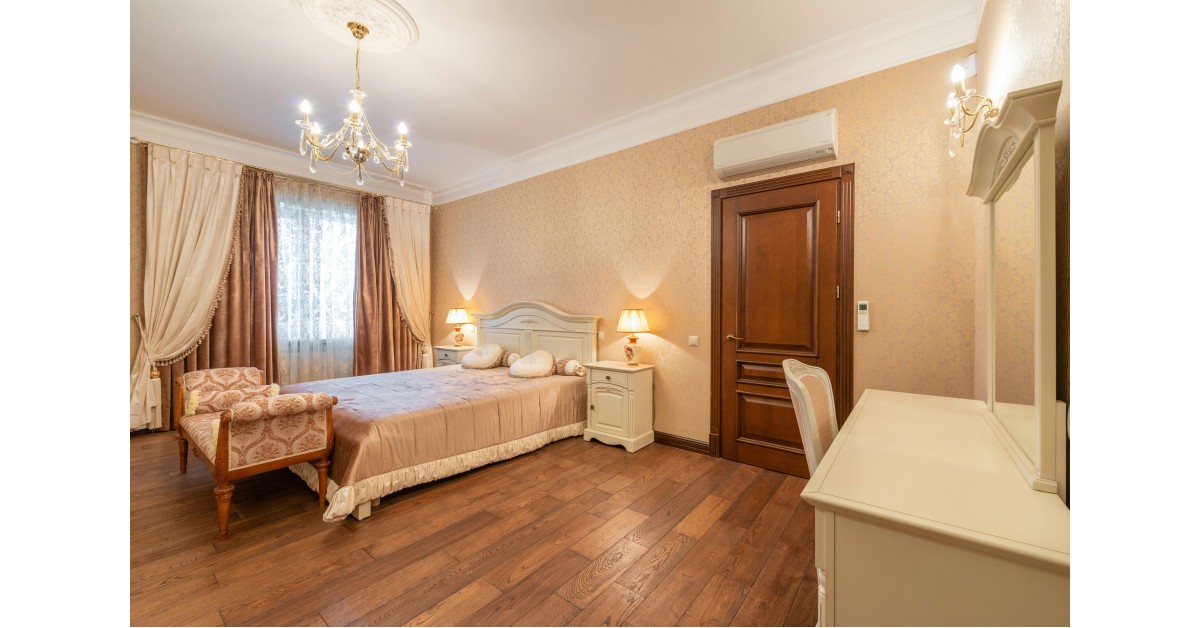
A guide to care home bedroom curtains
When furnishing a care home bedroom, curtain selection is about more than looks. These fabrics play a critical role in fire safety, infection control, resident comfort, and compliance with UK regulations. From fabric standards to heading styles, linings, and accessories, every detail matters. Below, we break down everything care providers, managers, and facilities teams need to know.
Selecting the Right Fabrics
Fire safety standards (BS 5867 Part 2 Type C).
Care and nursing homes are classed as high-risk environments because of residents’ reduced mobility. UK regulations require curtains to comply with BS 5867 Part 2 Type C the highest flame-retardancy rating for curtains and drapes in public buildings. This ensures fabrics will resist ignition and continue to protect residents even after multiple washes.
Inherent vs treated fabrics.
Not all fire retardant fabrics are created equal. Some are inherently fire retardant — the flame resistance is built into the fibres, meaning it lasts for the lifetime of the fabric. Others are chemically treated to meet standards, but these can lose their fire resistance after repeated washing. For care homes, inherent fabrics are strongly recommended, as they withstand frequent laundering. All fabrics in our Care Home Curtains range meet the washing requirements for BS 5867 Part 2 Type C.
Blackout & dimout.
Many fabrics are available with a blackout backing, which blocks light completely and improves sleep quality for residents. Unlike separate blackout linings, the blackout layer is fused to the fabric, making it more durable and easier to maintain. Dimout fabrics allow a softer light filter, balancing privacy with brightness.
Patterns & textures.
Every care home has its own design scheme. Choosing fire-retardant fabrics with warm textures or subtle patterns creates a more homely, less institutional atmosphere. This can make communal areas more welcoming and bedrooms feel more personal.
Washing compliance.
Care homes require regular cleaning of soft furnishings to maintain hygiene. UK regulations demand that curtains meeting BS 5867 Part 2 Type C must retain fire resistance even after 50 washes, this applies to both face fabrics and linings.
The Best & Safest Heading Styles
Eyelet curtains.
Eyelet curtains feature large metal rings punched directly into the fabric, sliding smoothly onto a pole. In care homes, they are exceptionally safe: when the pole brackets are screwed securely, curtains cannot be easily pulled down. With no hooks to break or remove, they’re durable, low-maintenance, and reduce risk of accidents.
Pinch pleat curtains.
A premium option, pinch pleats come in Double Pinch, Triple Pinch, Goblet, or Cartridge styles. They create a tailored, elegant look and hang beautifully. For safety, pinch pleat curtains often use a sewn-in plastic hook system that cannot be removed, minimising risks compared to traditional metal hooks.
Pencil pleat curtains.
A cost-effective and flexible option, pencil pleats use drawstrings to form neat, narrow folds. They require fewer widths of fabric, making them budget-friendly while still looking professional.
Choosing Linings & Interlinings
Blackout lining.
If the fabric itself isn’t blackout, adding a blackout lining helps residents sleep better by blocking external light.
Thermal & sateen linings.
Thermal linings trap heat, improve insulation, and help retain warmth in winter while keeping rooms cooler in summer. They also give curtains a luxurious drape.
Sateen linings are the traditional choice — lightweight, available in white, ivory, or cream, they protect the main fabric from fading while maintaining a soft finish.
Interlinings.
For care homes seeking extra comfort, interlinings are an excellent addition. This thick, cushioned layer between fabric and lining:
- Reduces outside noise, aiding residents with sensory sensitivities.
- Adds insulation, helping maintain room temperature.
- Meets fire compliance standards, offering added safety.
Compliance & Certification
Fire certificates.
Every fabric and lining we supply comes with a fire safety certificate, available in paper or digital format. These documents are essential for your fire risk assessments and compliance records.
Product tagging.
All fire-retardant curtains should be clearly tagged with relevant certification details. This provides instant reassurance during inspections and ensures transparency in compliance management.
Finishing Accessories
Care home interiors should balance practicality with warmth. Accessories can complete the look while adding function:
Tiebacks – Available in matching or complementary fabrics, tiebacks hold curtains neatly aside, increasing natural light and preventing exits or access routes being blocked.
Bed runners & tablecloths – Coordinated accessories create a cohesive, homely design scheme while maintaining compliance with fire safety standards.
Summary
When choosing curtains for Care Home Curtains , safety and compliance must always come first — but that doesn’t mean sacrificing style or comfort. Fabrics must meet BS 5867 Part 2 Type C and withstand frequent washing. Inherent fire-retardant fabrics are the safest and most durable choice, particularly in healthcare environments. Heading styles should combine aesthetics with practicality: eyelets for durability, pinch pleats for elegance, and pencil pleats for affordability. Linings and interlinings add critical benefits — blackout for restful sleep, thermal for warmth, and interlining for sound and comfort.
Equally important is ensuring certification and tagging are in place, so compliance is never in doubt. Finally, thoughtful finishing touches such as tiebacks, bed runners, and coordinated fabrics transform a space from functional to welcoming — helping care homes provide residents with an environment that is safe, comfortable, and homely.